File No: 08-24/HS
A practitioner of evidence, a student of longevity, and the fourth generation in a family of healthcare. Harshvardhan Shah works at the intersection of clinical rigor and human performance — treating the causes, not just the symptoms.
“Science is the tool; lifestyle is the medicine.”
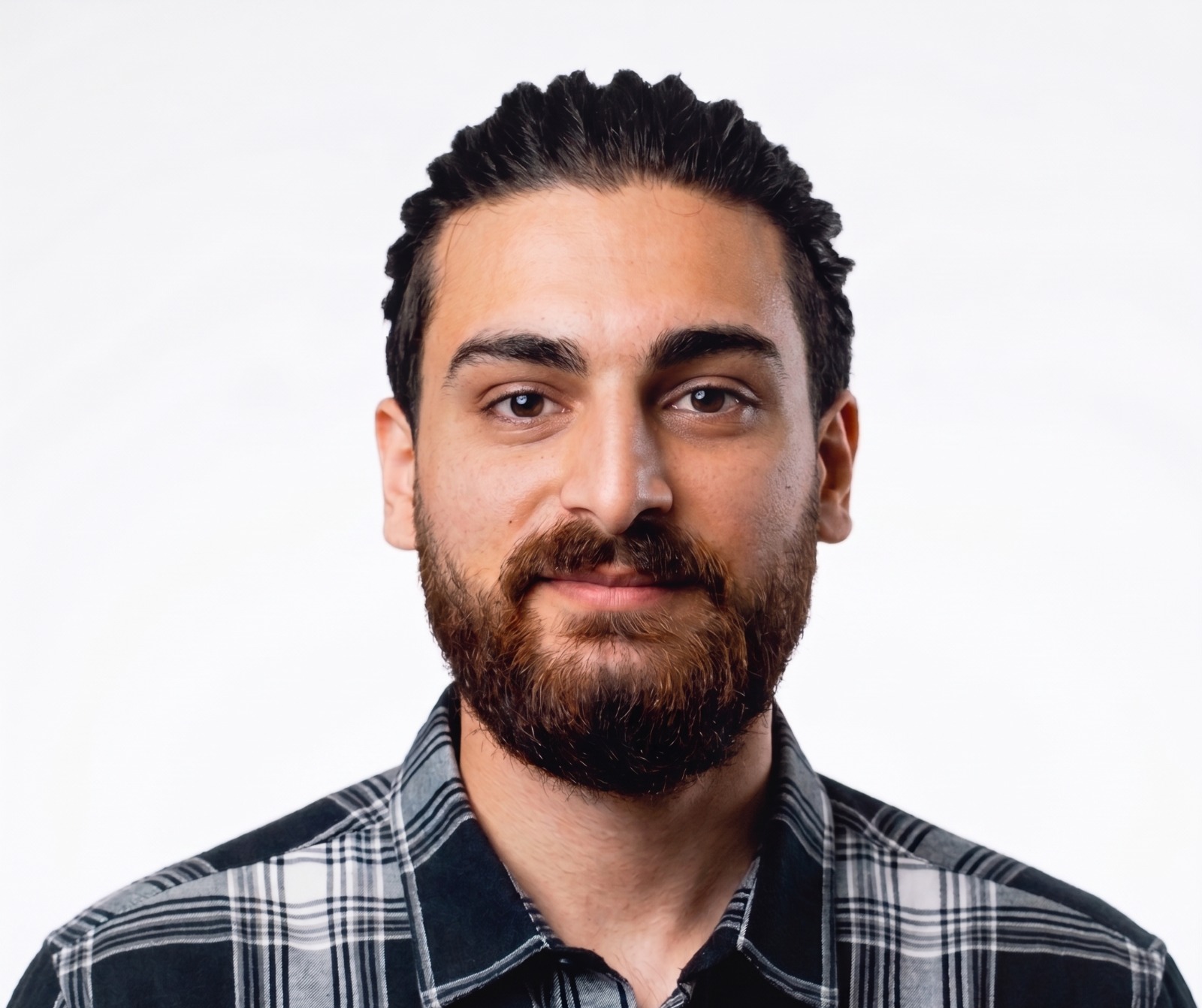
- Subject
- Harshvardhan Shah
- Role
- Lifestyle medicine consultant
Philosophy
“I didn't choose lifestyle medicine because it was trending. I chose it because it was true — the root drivers of metabolic decline and physical underperformance were never mysteries; they were simply being ignored.”
Harshvardhan Shah, MSc, BSc
PhD Researcher, UCAM
From studying high-performance athletic systems across Europe to researching metabolic risk and lifestyle medicine in Greece, the pattern was clear: true health isn't built in a hospital waiting room. It is engineered daily — through targeted metabolic nutrition, restorative sleep architecture, intentional movement, conscious stress modulation, mitigating harmful inputs, and cultivating the environmental and social ecosystems that sustain our resilience in the real world.
Currently serving as Health & Fitness Advisor at Amrita University Haridwar Campus and researching as a PhD student at UCAM, Spain, my methodology bridges physiological data with pragmatic execution. Whether working with athletes, university staff, or preparing for high-intensity athletic benchmarks like HYROX, the scientific foundation remains constant: we don't guess, we assess.
Education & training
Rigorous training meets modern application. A vertical record of expertise.
Memberships
- European Lifestyle Medicine Organization
- The Obesity Society
- The Association of Occupational Health and Wellbeing Professionals
- The International Society for Sexual Medicine
Certifications
- Certified Diabetes Educator — International Diabetes Federation
- Certified in Medical Nutrition Therapy — Endocrine Society
- Health and Fitness Lifestyle Advisor — European Lifestyle Medicine Organization, with the Belgian Lifestyle Medicine Organisation
- Sports Nutrition Diploma — Barça Universitas, with Universitat de Barcelona
- Neurobiology & Psychology in Team Sports Diploma — Barça Universitas
- 2026 — Present
UCAM (Universidad Católica de Murcia)
PhD Student / Doctoral Researcher
- 2025 — 2026
University of Thessaly, Greece
MSc Lifestyle Medicine, Honours
Thesis: lifestyle medicine pillars and well-being in Haridwar
- 2020 — 2024
Lithuanian Sports University
BSc (Hons) Sports & Exercise Science, First Class Honours
Specialization: Basketball Coaching
Erasmus+ studies: Czech Republic, Croatia, Serbia, Finland, Netherlands
Legacy
Medicine runs through four generations of this family. That inheritance isn't a slogan here — it's a way of seeing a patient as more than a set of symptoms, and a practice as something built to be passed down, not just performed.


How I work
01
Evidence Over Trend
If it isn't backed by peer-reviewed science, it isn't in the protocol.
02
Built Around You
Generic advice is medical negligence. Your protocol is built to your data, not a template.
03
Root Cause
Symptoms are managed elsewhere. Here, the goal is the system behind them.
04
Conversation First
The bloodwork tells us what's happening. The conversation tells us why. One without the other is half a diagnosis — we start with both.
Next step
The first step is a conversation, not a consultation — an honest look at what's possible for your health.